

Manganese
What is it?
Manganese is an essential mineral and a basic micronutrient for the body’s antioxidant system.
Manganese contributes to the following:
- Normal energy metabolism.
- Maintaining bones in normal condition.
- Normal formation of connective tissue.
- Protecting cells from oxidative damage.
Manganese supplementation
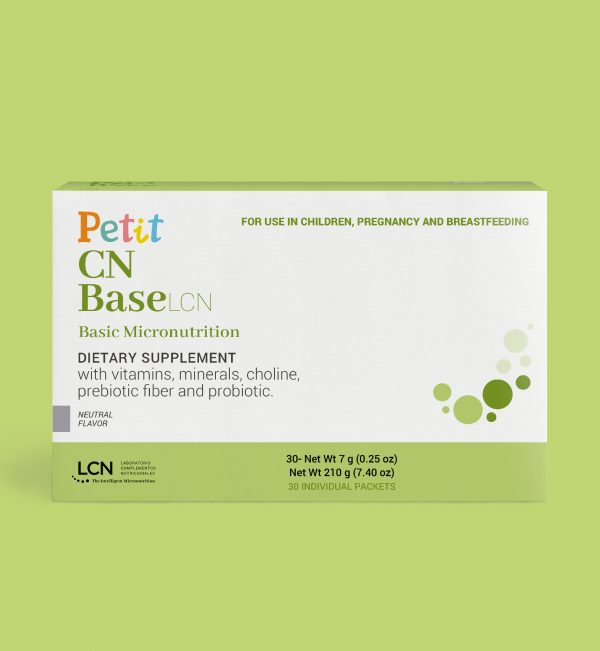
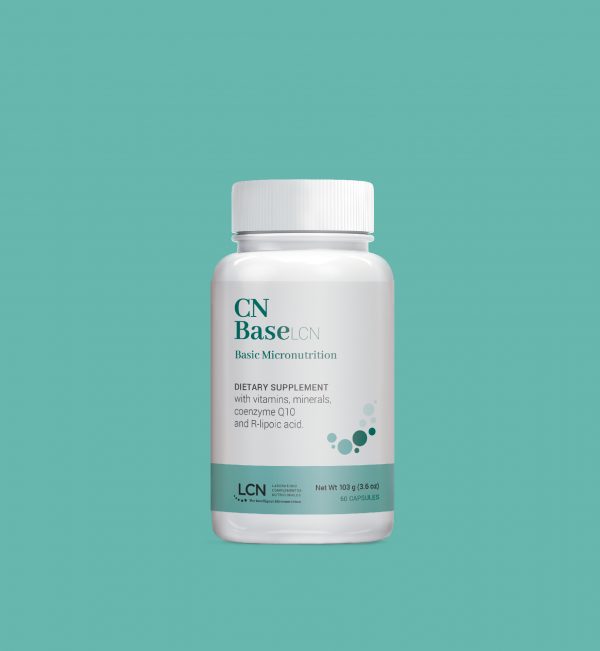
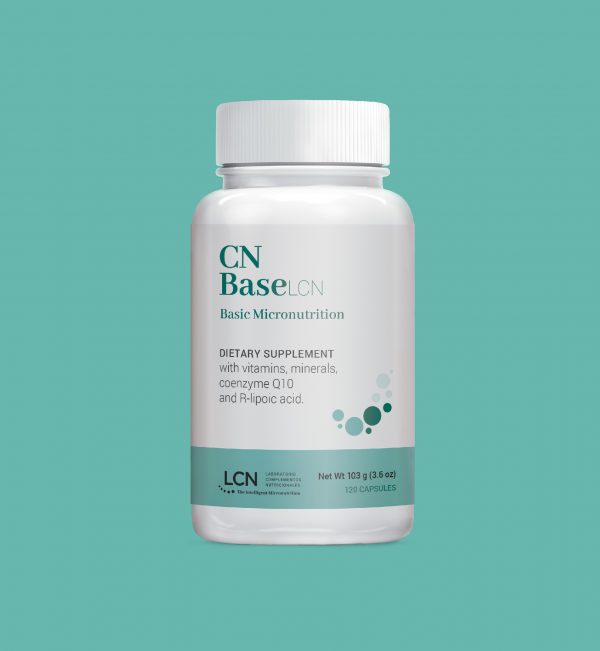
In supplementation, it is preferable to use manganese citrate, as it is the most bioavailable salt, than other mineral salts.
Foods with manganese
The foods that contain the most trace elements (zinc, selenium, chromium, copper, manganese, and molybdenum):
- Nuts (all types).
- Wholegrain cereals.
Foods with manganese: whole grains (like brown rice and whole oats), clams, oysters and mussels, nuts (like hazel nuts and walnuts), legumes (like soybeans and lentils), green leafy vegetables (like spinach and kale), and some fruits (like blueberries).
Intake and deficiencies
Manganese has antioxidant, detoxifying and anti-inflammatory action via important enzymes that contain it. (Miao and St Clair 2009; Beppu, Nakamura et al. 1996; Trujillo, Ferrer-Sueta et al. 2008; Motterlini, Mann et al. 2005; Fubini and Hubbard 2003; Kinnula and Crapo 2003).
Intake and deficiencies
Deficient intake of manganese is common in the population.
Intake. Its concentration depends on external inputs. 35% of the population could have deficient intake of manganese, as this is well below the levels found in Japan and other Asian countries.
Average intake is 1.6–2.3 mg/day (Johnson, 2008). Very little manganese is absorbed from foods (5%–10%) (Johnson, 2008).
Drugs. Laxatives and antacids can accentuate a marginal manganese deficiency.
Bibliography
- (2004).
“Safety and Health Topics: Manganese Compounds (as Mn).”
Retrieved 26 Jan, 2010, from http://www.osha.gov/dts/chemicalsampling/data/CH_250190.html. - (2006).
“Manganese Chemical Background.”
Retrieved 26 Jan, 2010, from http://www.environmentwriter.org/resources/backissues/chemicals - Bag, A. and N. Bag (2008). “Target sequence polymorphism of human manganese superoxide dismutase gene and its association with cancer risk: a review.” Cancer Epidemiol Biomarkers Prev 17(12): 3298-3305.
- Barceloux, D. G. (1999). “Manganese.” J Toxicol Clin Toxicol 37(2): 293-307.
- Beppu, H., M. Nakamura, et al. (1996). “[Expression of Mn-SOD mRNA in streptozotocin-induced diabetic rat cornea by in situ hybridization].” Nippon Ganka Gakkai Zasshi 100(8): 599-604.
- Crossgrove, J. and W. Zheng (2004). “Manganese toxicity upon overexposure.” NMR Biomed 17(8): 544-553.
- Dalfo, E., M. Portero-Otin, et al. (2005). “Evidence of oxidative stress in the neocortex in incidental Lewy body disease.” J Neuropathol Exp Neurol 64(9): 816-830.
- Elsner, R. J. and J. G. Spangler (2005). “Neurotoxicity of inhaled manganese: public health danger in the shower?” Med Hypotheses 65(3): 607-616.
- Emsley, J. (2001). Manganese. Nature’s Building Blocks: An A-Z Guide to the Elements. Oxford, UK, Oxford University Press: 249-253.
- Finley, J. W. and C. D. Davis (1999). “Manganese deficiency and toxicity: are high or low dietary amounts of manganese cause for concern?” Biofactors 10(1): 15-24.
- Fubini, B. and A. Hubbard (2003). “Reactive oxygen species (ROS) and reactive nitrogen species (RNS) generation by silica in inflammation and fibrosis.” Free Radic Biol Med 34(12): 1507-1516.
- Hasan, H. (2008). Manganese, The Rosen Publishing Group: 31.
- Kinnula, V. L. and J. D. Crapo (2003). “Superoxide dismutases in the lung and human lung diseases.” Am J Respir Crit Care Med 167(12): 1600-1619.
- Law, N. A., M. Tyler Caudlea, et al. (1999). “Manganese Redox Enzymes and Model Systems: Properties, Structures, and Reactivity.” Inorg. Chem.: 305-440.
- Miao, L. and D. K. St Clair (2009). “Regulation of superoxide dismutase genes: implications in disease.” Free Radic Biol Med 47(4): 344-356.
- Motterlini, R., B. E. Mann, et al. (2005). “Therapeutic applications of carbon monoxide-releasing molecules.” Expert Opin Investig Drugs 14(11): 1305-1318.
- Nishikawa, T., D. Kukidome, et al. (2007). “Impact of mitochondrial ROS production on diabetic vascular complications.” Diabetes Res Clin Pract 77 Suppl 1: S41-45.
- Normandin, L. and A. S. Hazell (2002). “Manganese neurotoxicity: an update of pathophysiologic mechanisms.” Metab Brain Dis 17(4): 375-387.
- Ong, K. L., T. H. Tan, et al. (1997). “Potassium permanganate poisoning–a rare cause of fatal self poisoning.” J Accid Emerg Med 14(1): 43-45.
- Takeda, A. (2003). “Manganese action in brain function.” Brain Res Brain Res Rev 41(1): 79-87.
- Trujillo, M., G. Ferrer-Sueta, et al. (2008). “Peroxynitrite detoxification and its biologic implications.” Antioxid Redox Signal 10(9): 1607-1620.
- Young, R. J., J. A. Critchley, et al. (1996). “Fatal acute hepatorenal failure following potassium permanganate ingestion.” Hum Exp Toxicol 15(3): 259-261.
Reference values
NRV, PRI, UL for manganese
The NRV is 2 mg. The AI is 1.8 mg for women and 2.3 mg for men.
Compounds containing manganese are less toxic than those with other more widespread metals (Hasan 2008). Vegetarians can ingest up to 15–20 mg/day.
NRV: Nutrient Reference Value. These are the daily amounts recommended for vitamins and minerals (micronutrients only) considered sufficient in the European Union to prevent a deficit in most healthy individuals in the population. They are the values used for labeling and claims.
PRI: Population Reference Intake. These are the reference values for a specific population group, defined as the amount of energy and/or nutrients (macronutrients and micronutrients) recommended to cover the nutritional needs of practically the entire population. They refer to healthy population groups. The values are expressed per person per day, as a 15-day average. To account for individual differences in digestive and metabolic processes, the PRI figure used for each nutrient is the average plus twice the standard deviation (except for energy, for which the average is used), thereby including almost all healthy individuals in the group (97.5%).
UL: Tolerable Upper Intake Level: the maximum level of total daily intake of a nutrient in a context of long-term or chronic consumption which does not pose a risk to health.